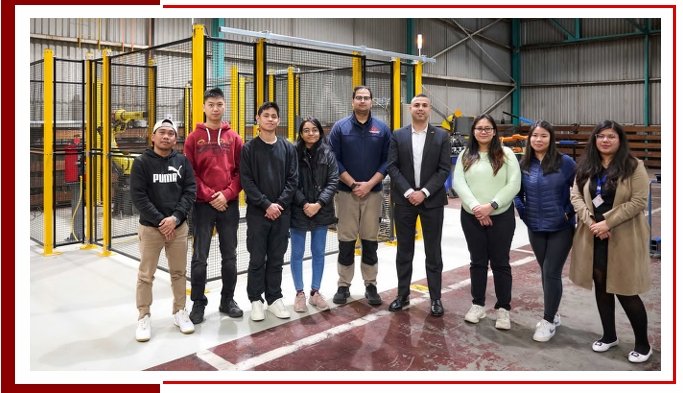


As we move through 2026, the first quarter from January to March has laid a strong foundation for AIE’s continued growth and success. During this period, we have seen steady progress in training delivery, increased student engagement, and positive momentum across our programs. Participation levels have been encouraging, reflecting growing trust in the quality and relevance of our courses. Our team remains focused on creating meaningful learning experiences and supporting students throughout their journey. As we step into the next quarter, AIE continues to build on this momentum with a commitment to innovation, quality, and student success
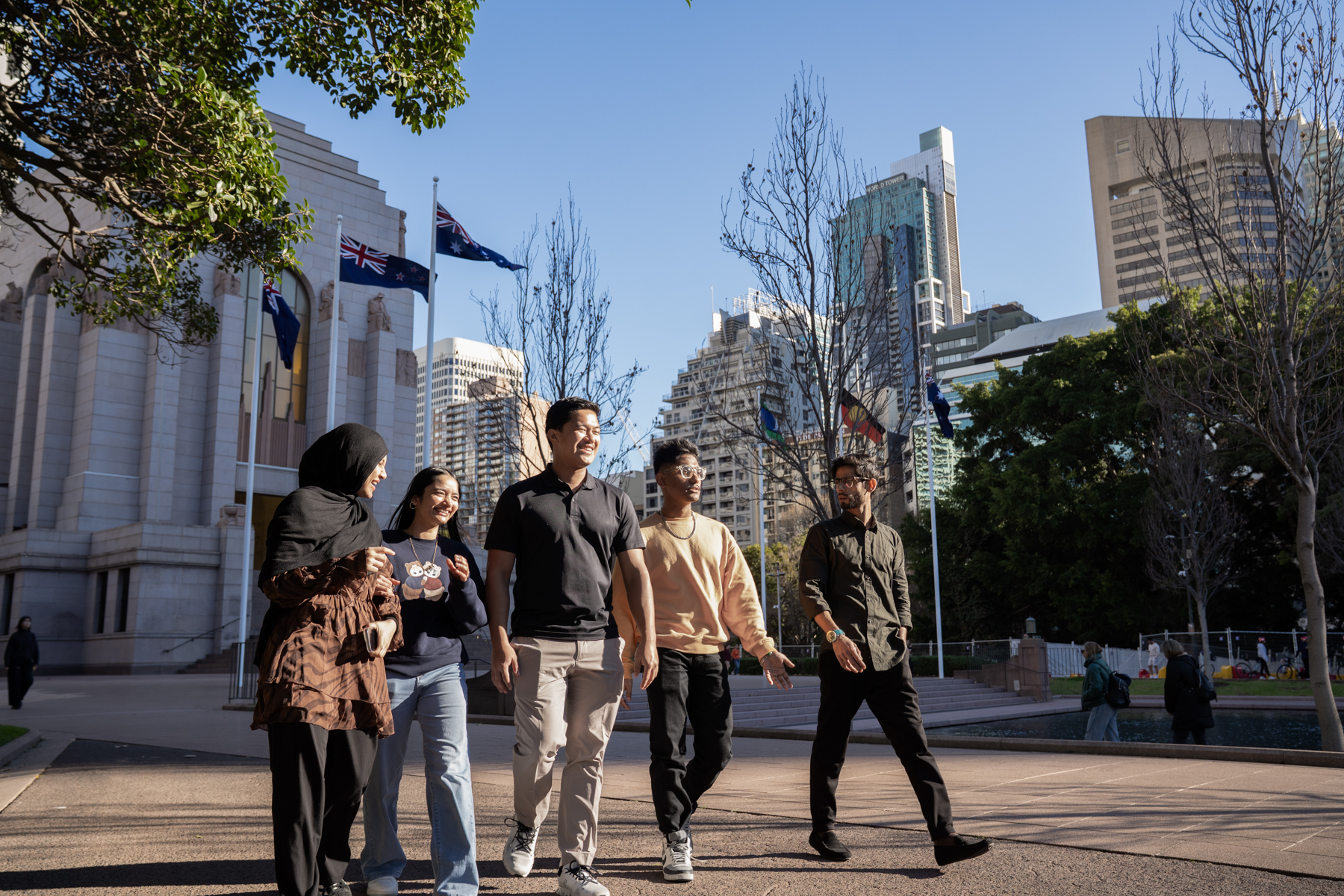
The Australian Institute of Engineering (AIE) continues to strengthen its reputation as a leader in practical, industry-focused trade training, delivering a dynamic apprentice program across South Australia, New South Wales, Victoria, and Tasmania.
With a strong emphasis on hands-on learning, workplace engagement, and flexible delivery, AIE ensures apprentices gain real-world skills aligned with the needs of the marine and composites industries.
AIE’s apprentice program blends online learning, face-to-face workshops, and structured workplace training. Trainers travel across multiple states to support apprentices on site, conduct assessments, and engage directly with employers, ensuring consistent, high-quality training across all locations.
A key highlight of this quarter has been the hands-on training sessions delivered in South Australia, including activities at the Dockyard facility. Apprentices gained valuable exposure to laminating techniques using a range of materials, developing an understanding of how different fibres and resins influence strength and performance. They also progressed their scaled boat projects—an essential component of their training that builds practical skills in plug and mould construction. AIE extends its appreciation to the Dockyard team for their continued support in delivering quality apprentice training.
AIE’s Broadmeadows campus remains a major hub for both apprentice and industry training. Equipped with a fully functional composites workshop, the campus provides apprentices with access to industry-standard tools, equipment, and materials, supporting hands-on skill development in a controlled learning environment.
These programs are designed to support apprentices and industry professionals looking to upskill in specialised areas.
AIE’s national program continues to grow through strong industry partnerships and a commitment to training that reflects real workplace needs.
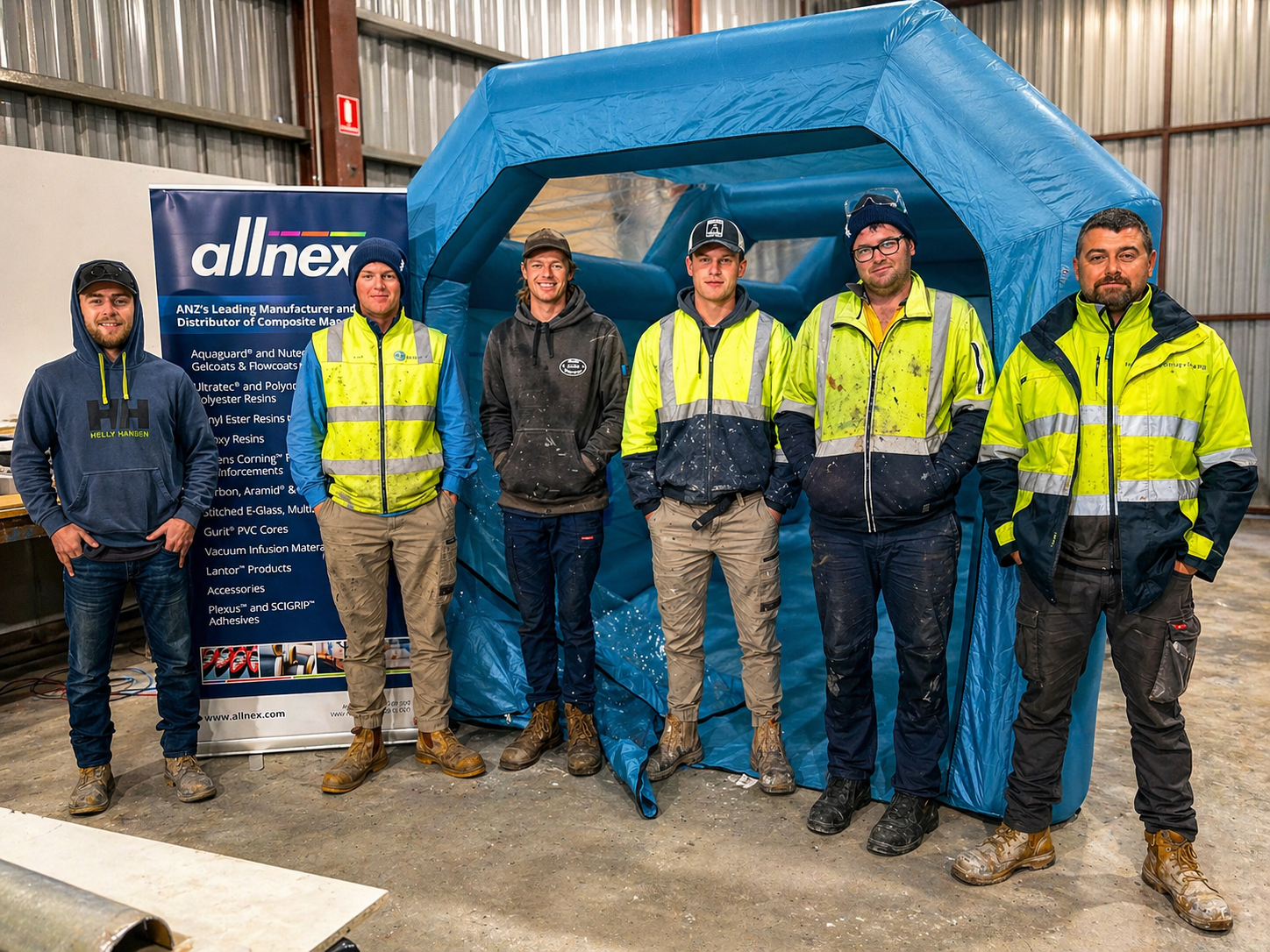
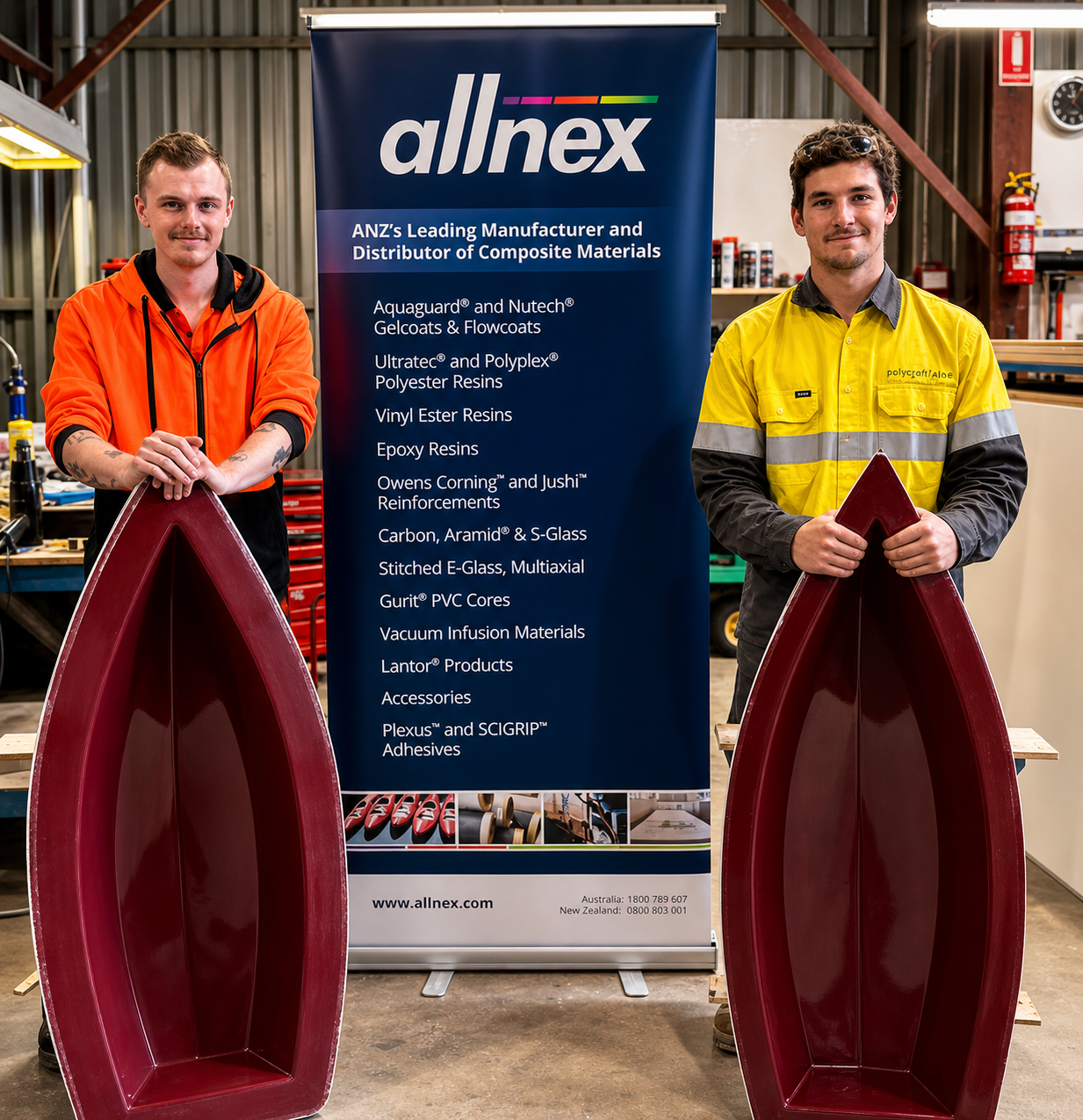
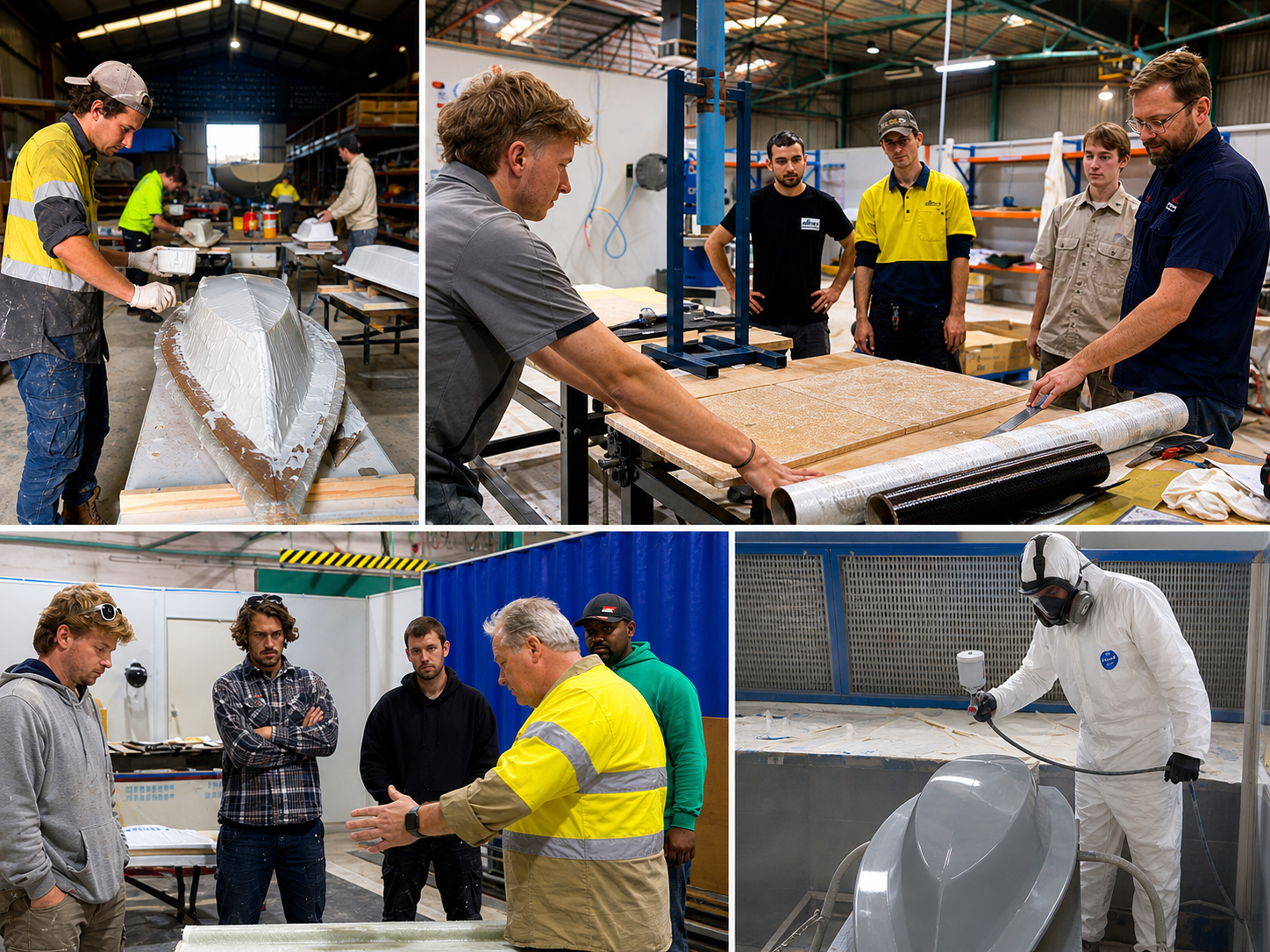
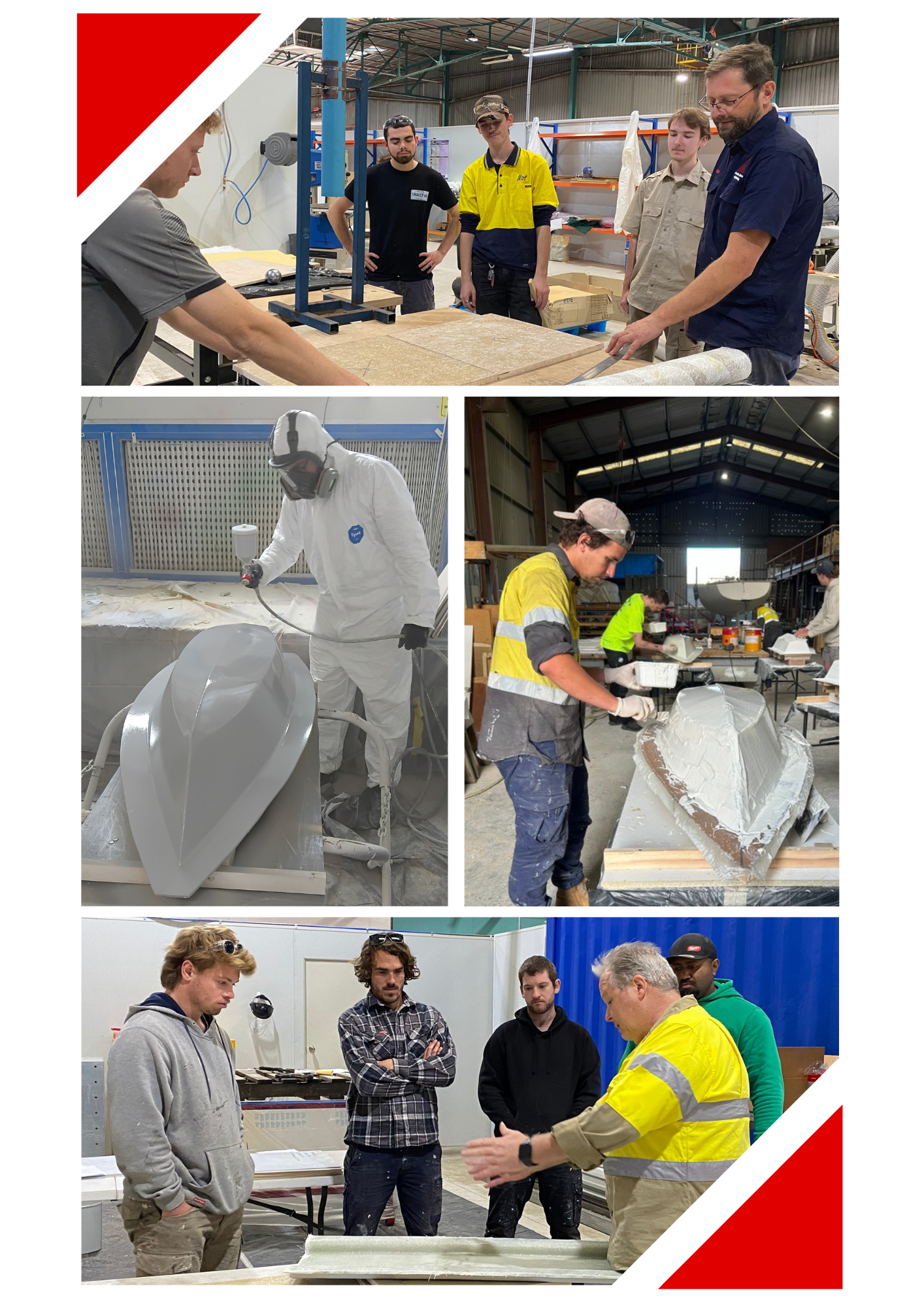
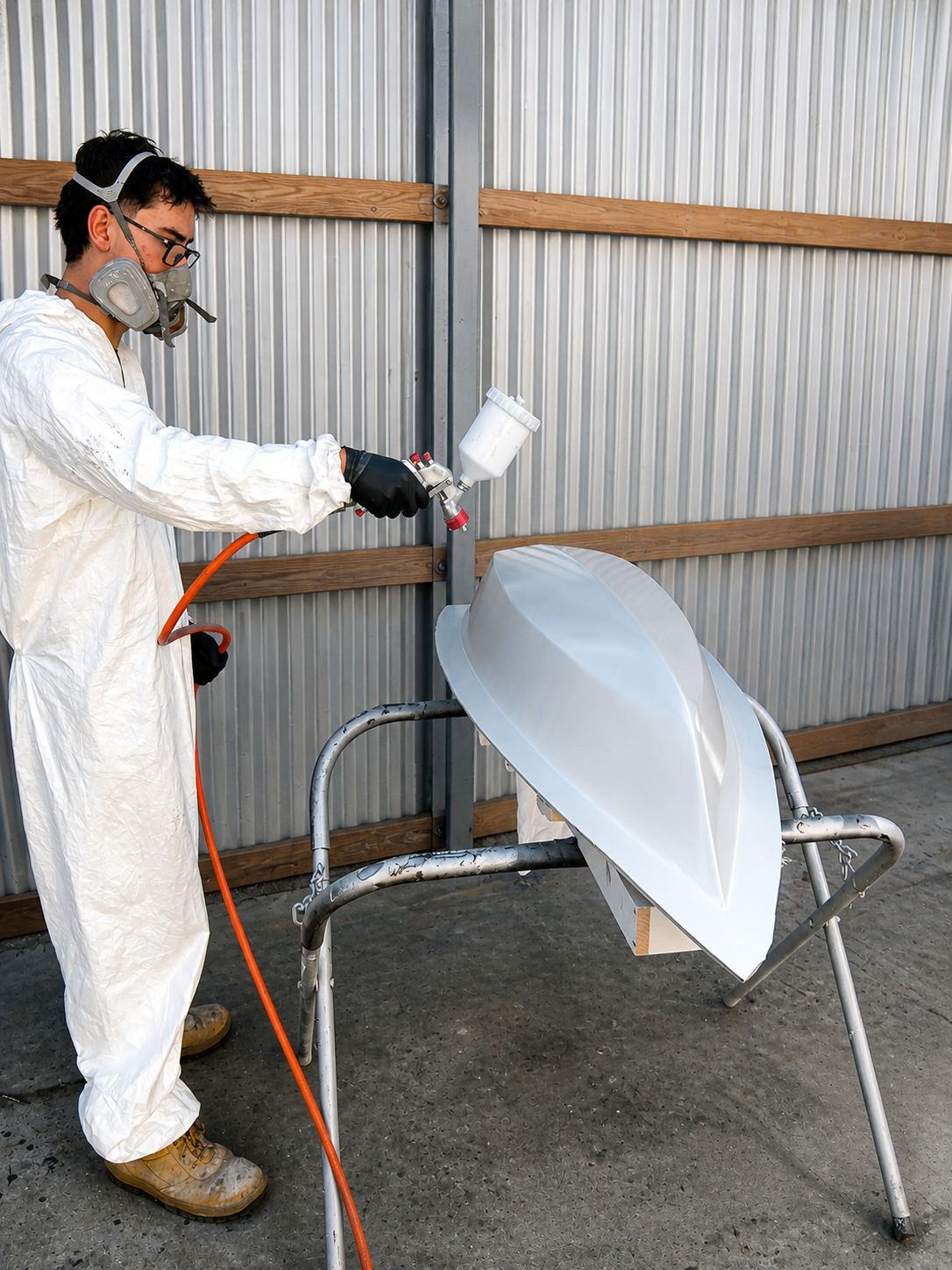
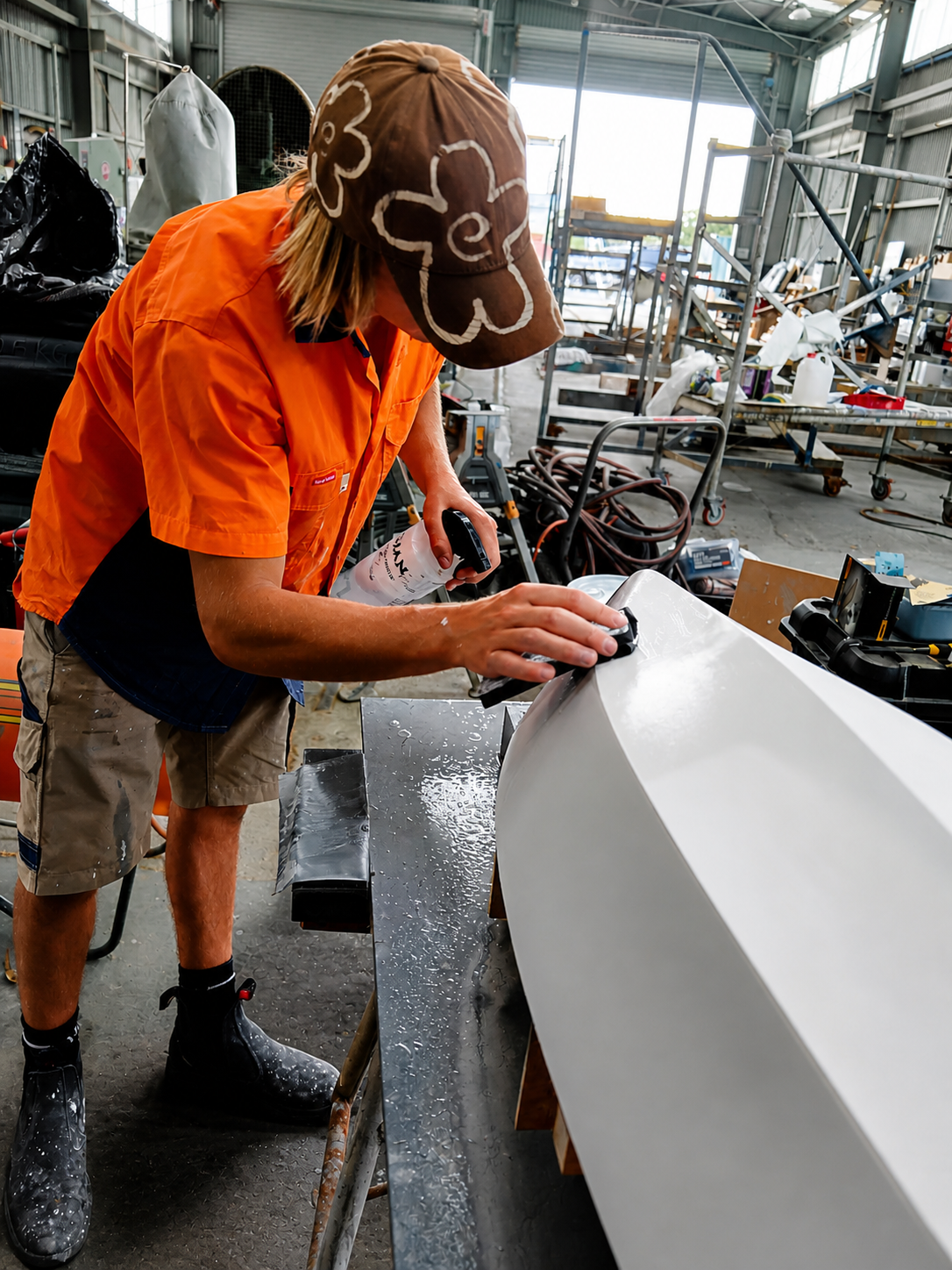
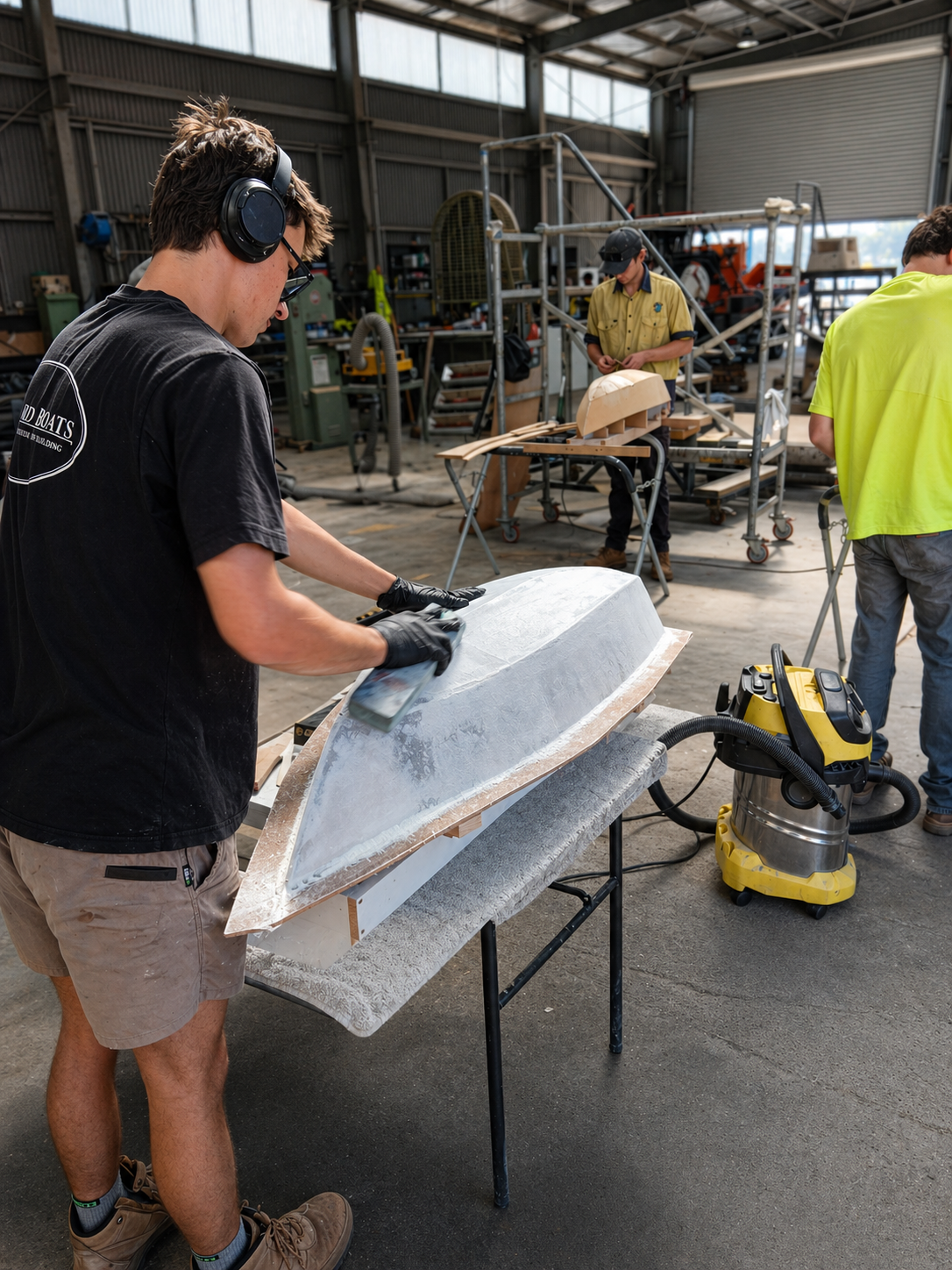
In March, the Australian Institute of Engineering (AIE) successfully delivered a series of hands-on practical training workshops at the Gippsland Ports facility in Paynesville.
These workshops provided apprentices with the opportunity to reinforce their learning from recent online sessions and apply their knowledge in a real-world environment. Building on the foundational skills developed during the 2025 Basic Composites workshop, apprentices progressed into more advanced practical tasks with confidence.
Over two and a half days, students worked intensively to prefabricate scaled-down versions of a 5.2-metre fishing boat—transforming raw plugs into mould-ready components. This process allowed them to bridge the gap between theory and practice while developing essential fabrication skills.
The immersive workshop environment enabled apprentices to deepen their understanding of composite materials, tooling processes, and the full workflow from design to production. It also encouraged teamwork, problem-solving, and the development of practical skills highly valued in the industry.
AIE extends its sincere thanks to the Gippsland Ports team for their ongoing support and for providing access to their facility. Their collaboration continues to play a key role in strengthening hands-on training opportunities for apprentices in the marine and composites industries.
AIE is proud to extend its training offerings through MicroSkills Academy, delivering career-focused short and non-accredited courses designed for both students and industry professionals.
MicroSkills Academy provides practical, outcome-driven learning through flexible, self-paced online programs that allow learners to study anytime, anywhere. These courses are ideal for individuals looking to enhance specific technical skills, support Continuing Professional Development (CPD), or strengthen their career prospects in a competitive industry.
With a strong focus on accessibility and industry relevance, MicroSkills combines AIE’s expertise with modern digital learning to support professional growth and upskilling.
🌐 Learn more: https://microskillsacademy.com.au/

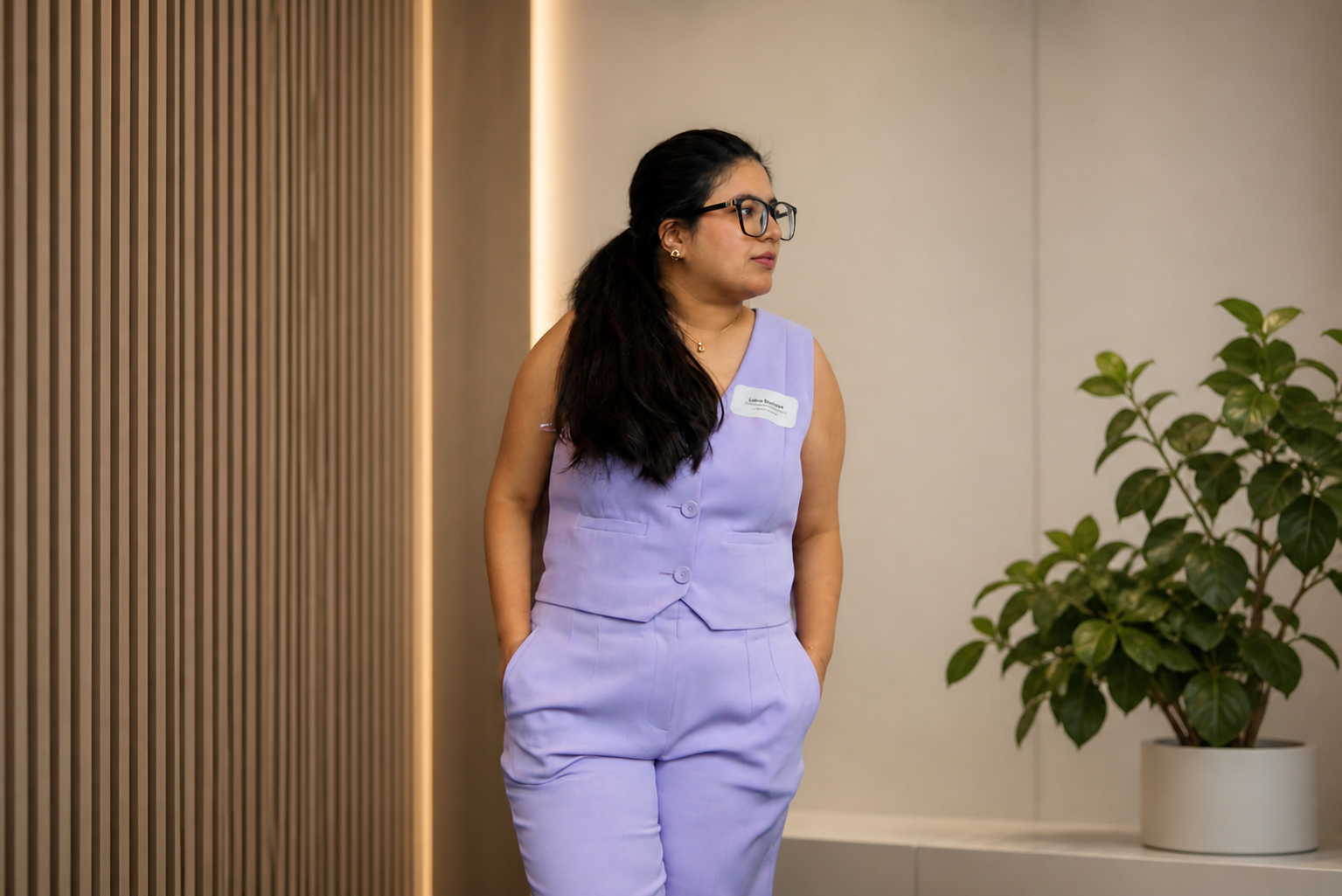
At AIE, our strength lies in our people, and Lata Basnet plays a vital role in creating a supportive and engaging student experience.
As a Student Support Officer, Lata works closely with students throughout their academic journey, ensuring they feel guided, confident, and connected. Beyond student support, she also contributes to graphic design and social media management, helping shape AIE’s creative and digital presence
What Lata enjoys most about her role is the opportunity to build meaningful connections with students. She takes pride in creating a welcoming environment—especially during intervention meetings—where students feel comfortable sharing their challenges and working towards positive outcomes. Her approach transforms formal discussions into supportive conversations, making a real difference in student confidence and success.
Lata is also actively involved in organising student events, from festive celebrations to informative sessions, fostering a strong sense of community at AIE.
Looking ahead, she is excited to further develop her skills in digital marketing, content creation, and student engagement, while continuing to enhance the support services offered at AIE.
✨ Fun Fact: Outside of work, Lata runs a YouTube channel, “The Indian Aussie,” where she shares her experiences through vlogging. She also enjoys making dumplings (momos), combining her love for creativity and culture.